
Newsletter Subscribe
Enter your email address below and subscribe to our newsletter

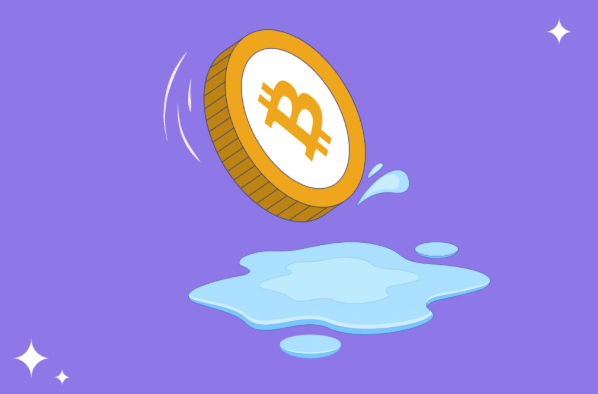
Slippage in crypto trading is the gap between expected and realized execution prices. It stems from rapid price moves and order-book dynamics, especially in thin or volatile markets. Factors include order type, routing, and liquidity depth. While often small in liquid markets, it can erode profits or amplify losses under stress. Understanding these mechanics prompts questions about how traders guard against it and what strategies truly reduce impact when efficiency meets uncertainty. The next point: what practical steps actually work.
Slippage in crypto trading refers to the difference between the expected price of a trade and the price at which the trade is actually executed. It highlights how execution dynamics shape outcomes.
The distinction between slippage vs liquidity matters: shallow markets magnify gaps.
Order types pitfalls emerge when strategies misalign with liquidity, producing unexpected fills and compromised control.
In real markets, slippage arises from a mismatch between the speed of price changes and the speed of order execution. Traders face volatile volatility as prices swing faster than orders can be filled, creating surprises at fill time.
Liquidity gaps expose responders to abrupt rerouting, where depth evaporates and execution drifts, undermining predictability and eroding theoretical advantage.
When a trader places an order, the final realized result is often different from the expected outcome, and slippage directly shapes that gap between projection and reality.
Slippage erodes gains, magnifies losses, and depends on price movements, liquidity, and order types.
In high liquidity markets, impact is minimal; in others, it compounds risk, demanding disciplined strategy over reckless execution.
See also: The Role of AI in Space Exploration
Effective measures to reduce slippage in crypto trading center on aligning execution with intention through disciplined order routing, timing, and liquidity considerations. Traders pursue safe routing to minimize market impact, while evaluating liquidity optics to gauge true depth and available size.
Practical steps include limit orders, volatility awareness, and avoiding crowded windows; yet, costs and trade-offs demand disciplined risk tolerance and informed judgment.
Slippage remains a constant reality in crypto trading, intruding when prices move faster than execution. Even with tight spreads and advanced routing, sudden liquidity gaps can alter outcomes. Traders should anticipate worst-case slippage in volatile conditions and not rely on best-case scenarios. By testing strategies, using appropriate order types, and prioritizing risk budgets, one can dampen, though never eliminate, slippage. In extreme markets, it can feel like a tidal wave of price change—unforgiving yet predictable with proper discipline.
